


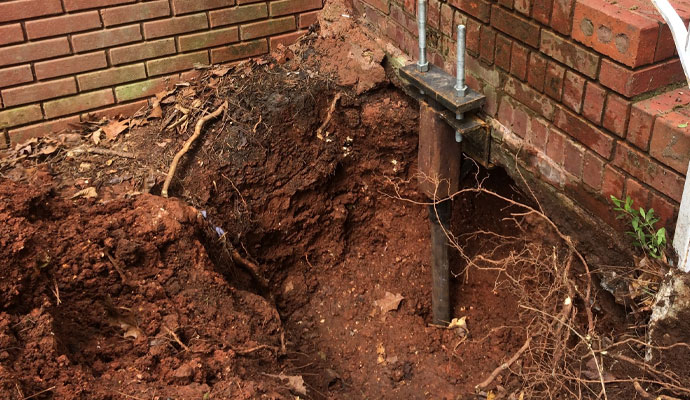
Causes of Foundation Problems
The soil and climate in Mobile, AL, put constant stress on foundations year-round. Clay content in the ground swells and shrinks with every rain cycle, while Gulf Coast humidity keeps that cycle running nonstop through most months of the year.
Foundation damage in this region traces back to a specific set of causes. Soil composition and drainage patterns drive most of it, and how a property was originally built plays a role too. This article breaks down every major cause, the associated warning signs, and what typically happens underneath a property before problems surface.
251-250-1030Warning Signs of a Foundation Problem
Warning signs often appear long before foundation issues turn into major structural repairs. Catching these signs early keeps repair costs from spiraling into full foundation replacement work later. Signs worth checking across the property:
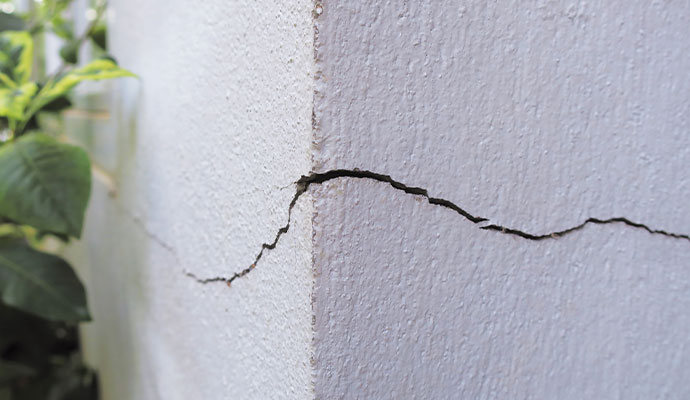 Wall Cracks
Cracks appearing on interior or exterior walls
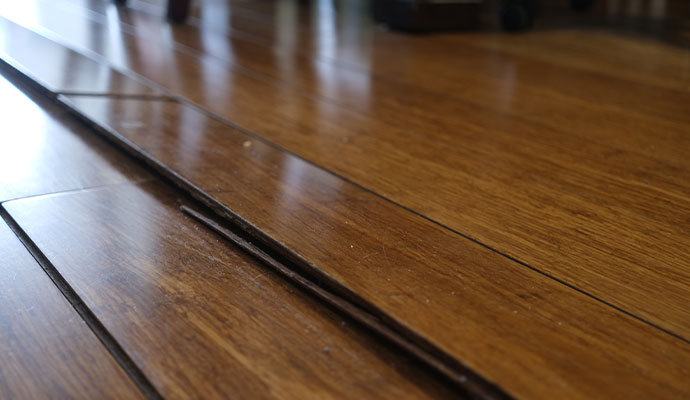 Uneven Floors
Floor sections that slope, dip, or feel uneven
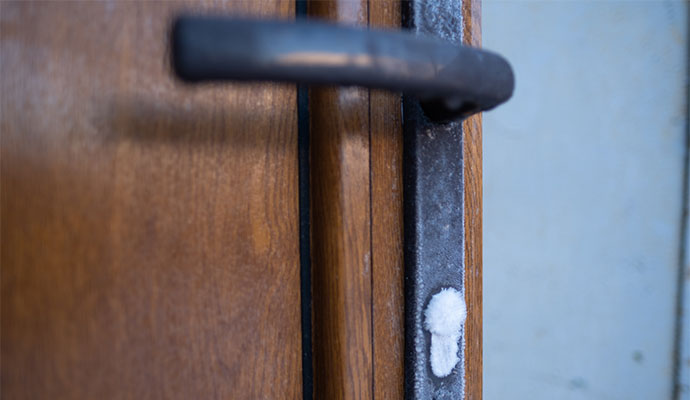 Sticking Doors
Doors that become difficult to open or close
 Sticking Windows
Windows that suddenly become difficult to open or shut
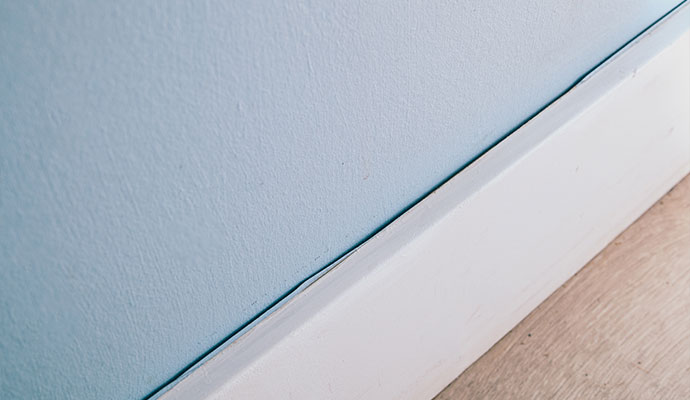 Trim Gaps
Gaps developing around trim, siding, or other exterior features
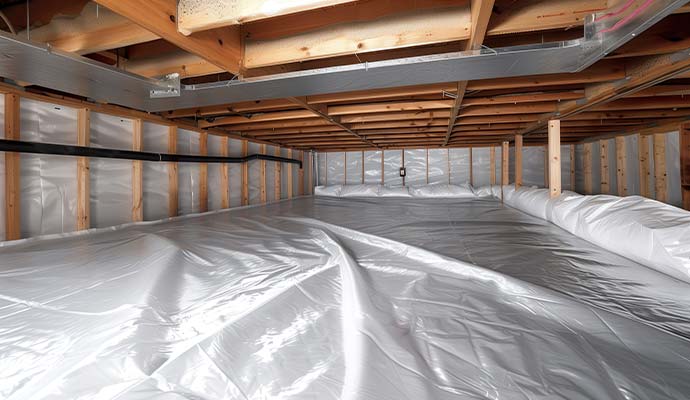 Crawlspace Odors
Musty odors coming from crawlspaces or basement areas
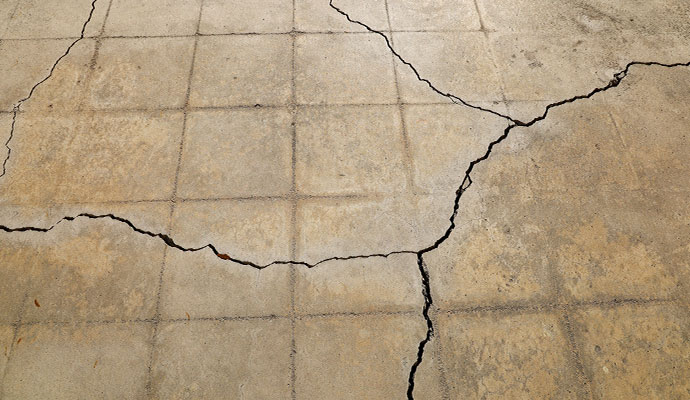
How Clay Soil Shifts a Foundation
Much of Mobile, Orange Beach, and the Alabama Gulf Coast region sit on clay-heavy soil. Clay reacts to moisture differently underground than sand or loam does. It swells when saturated with water during rainy stretches and shrinks once the ground dries out again.
That constant expansion and contraction puts uneven pressure on foundations built on top of it. Cracks in slabs, interior walls, and support beams usually trace straight back to this kind of soil movement. The foundation might continue to shift unless drainage problems are corrected.
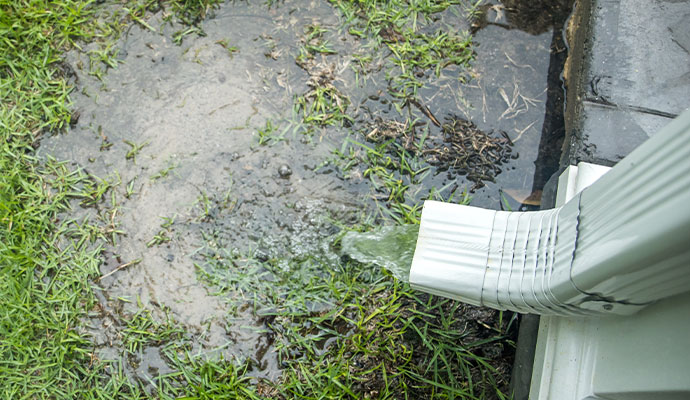
Poor Drainage Wears Down a Foundation
Water pooling near a foundation quickly erodes soil stability, and this compounds over several years. Gutters and downspouts direct runoff toward or away from the property, and grading determines where that water settles once it hits the ground. Common drainage failures found during inspections include:
- Gutters dumping water too close
- Clogged or disconnected downspouts
- Grading that slopes toward the property
- Missing splash blocks or extensions
- Flower beds trapping standing water
- Driveways channeling runoff inward
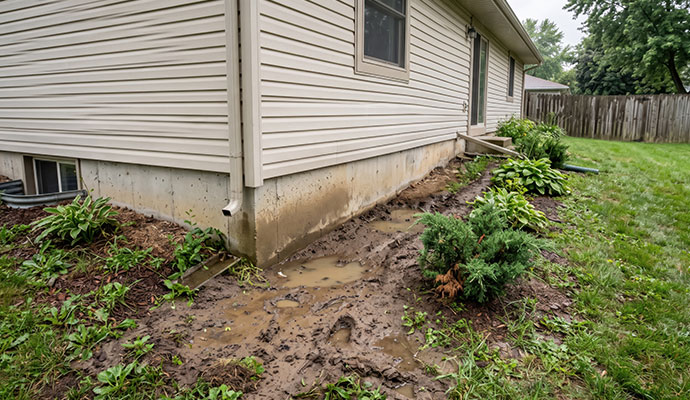
Rain and Humidity Keep the Ground Moving and Unstable
The Gulf Coast location experiences heavy rainfall and high humidity for most of the year. The moisture swing keeps expansive clay soil in near-permanent motion beneath every property in the area.
Hurricane season also brings sudden, intense rainfall that adds to the area’s baseline stress each year. Reliable drainage and routine inspections help limit the long-term effects of heavy rainfall on foundation stability.
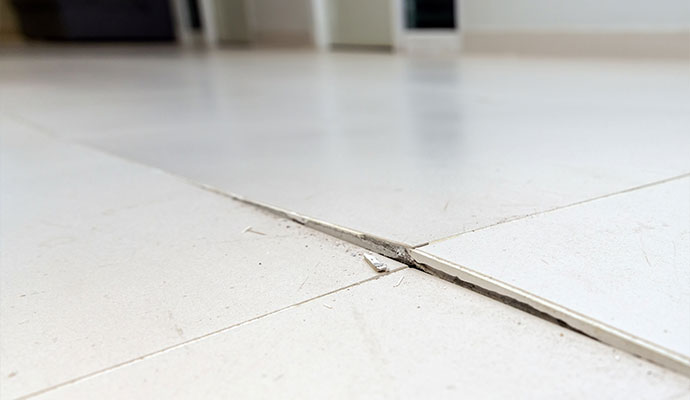
The Hidden Damage From Slab Leaks
Slab leaks often persist for months before anyone notices a problem, since the water is below the surface with no visible drip or puddle to catch. A slow leak unevenly saturates the soil, causing different sections of the foundation to settle at different speeds while the rest of the slab remains unaffected.
Here are some signs that a slab leak might be forming:
- Unexplained spikes in water bills
- Warm spots on flooring
- Musty odors with no clear source
- Cracks appearing suddenly
- Sounds of running water even with fixtures off
How Tree Roots Damage a Foundation
Large trees planted near a home create multiple risks for the foundation underneath. Roots pull moisture from surrounding soil, causing some areas to dry faster than others.
In some cases, roots grow directly into foundation walls and apply constant physical pressure over time. Mature tree canopies are common throughout Mobile, making root-related foundation issues a frequent concern on older properties in the region.
When the Problem Starts at Construction
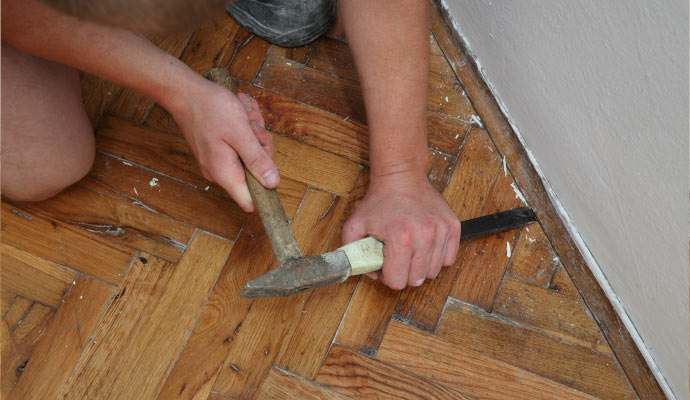
Some foundation problems begin during the construction of a property, before the building is completed. Poorly compacted soil beneath a foundation can settle unevenly under the structure’s weight, with signs of settlement sometimes appearing months or years later.
Settlement often becomes noticeable years later through sloping floors or widening gaps around trim. Properties built on rushed timelines or poorly prepared lots face a higher risk of these problems developing over time.
Why Older Foundations Carry More Risk
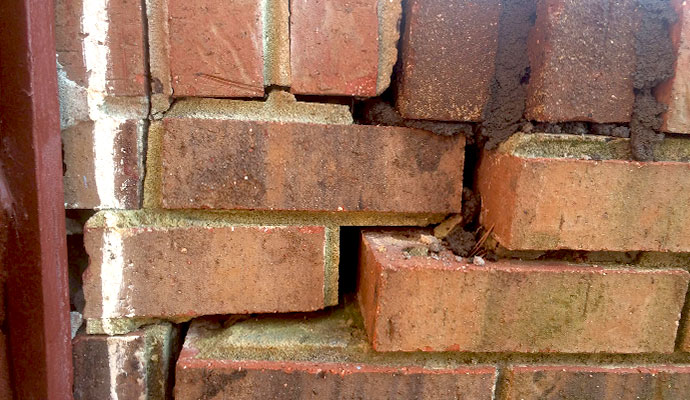
Older foundations are often exposed to clay movement, humidity changes, and shifting drainage conditions over several decades. Building practices and materials used decades ago were also different from those used today. This can leave some older foundations more vulnerable to soil and moisture changes.
Foundation problems can also develop after years without major issues. Changes in nearby soil or drainage can place new stress on an aging foundation. Age alone does not indicate a problem, but older foundations often have less capacity to withstand additional movement without visible signs of damage.
Crawlspace Moisture Leads to Problems
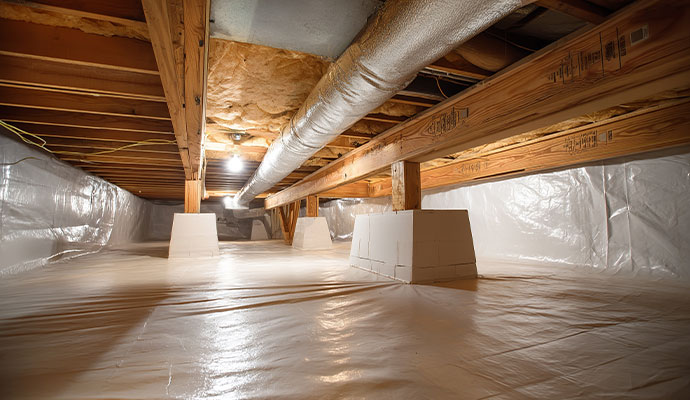
Crawlspaces in Mobile are exposed to ground moisture and high humidity throughout the year. Standing water and poor airflow can increase moisture levels, creating conditions that contribute to wood rot, mold growth, and other problems beneath the property. Here are some warning signs to look out for:
- Visible standing water
- Sagging or soft floor joists
- Musty or damp-smelling air
- Mold growth on wood surfaces
- Pest activity near support beams
An Inspection Pinpoints the Actual Problem
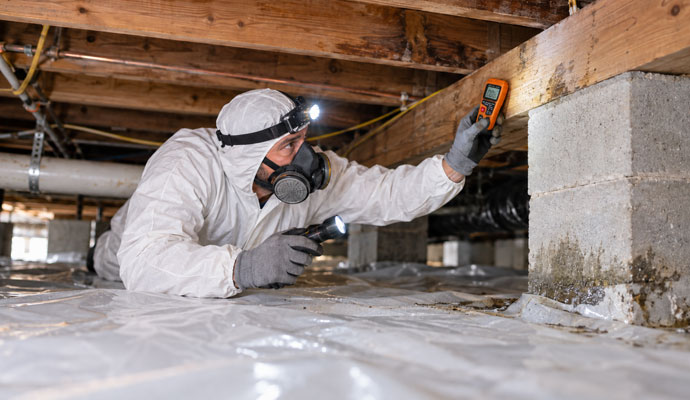
Identifying the cause of a foundation or crawlspace problem takes more than a visual assessment. Soil composition, drainage patterns, and moisture levels beneath the property all provide important clues about what's causing the issue.
Clay soil movement, drainage problems, and excess crawlspace humidity all require different solutions. A professional inspection helps identify the source of the problem before work begins, reducing the risk of paying for repairs that don't address the underlying issue.
Schedule Your Foundation Inspection
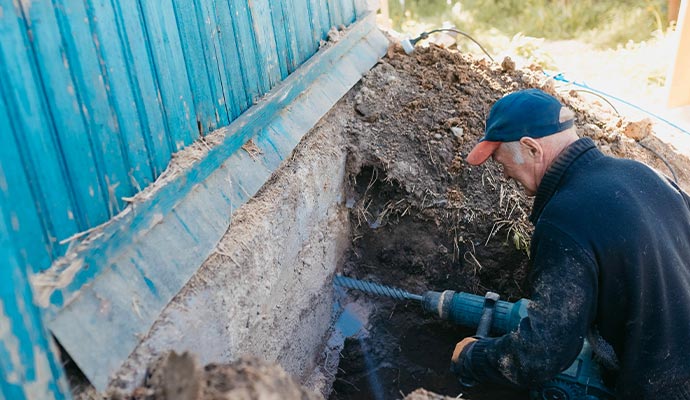
Cracks, sloping floors, and crawlspace moisture become more severe if left untreated. Bulldog Foundation & Crawlspace Specialists inspects properties in Mobile, Gulf Shores, Orange Beach, and throughout the Alabama Gulf Coast region.
We identify the cause of foundation and crawlspace problems. Call us today or submit our online form to schedule a foundation inspection.
251-250-10305 out of 7 reviews

Other pages you may be interested in...

Get a FREE QUOTE
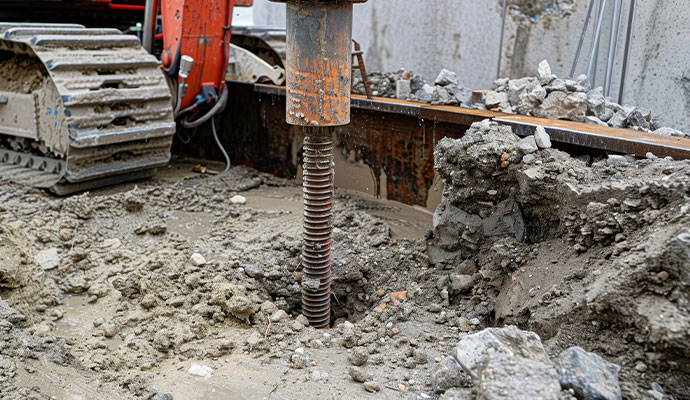
Our mission is to always deliver an outstanding customer experience — placing honesty, transparency, and integrity before all. Call or contact us online today to schedule an appointment.
Service Area
- Abbeville
- Abernant
- Adamsville
- Adger
- Alabaster
- Alford
- Altha
- Alton
- Andalusia
- Argyle
- Ariton
- Ashford
- Atmore
- Axis
- Bagdad
- Baker
- Banks
- Bascom
- Bay Minette
- Bay Saint Louis
- Bayou La Batre
- Beatrice
- Beaumont
- Bellwood
- Bessemer
- Biloxi
- Birmingham
- Black
- Blountstown
- Bon Secour
- Bonifay
- Brandon
- Brantley
- Brewton
- Brooklyn
- Brookside
- Brookwood
- Brundidge
- Bucks
- Buhl
- Calera
- Calvert
- Camden
- Campbell
- Campbellton
- Canton
- Cantonment
- Carlton
- Carriere
- Caryville
- Castleberry
- Century
- Chancellor
- Chapman
- Chatom
- Chelsea
- Chipley
- Chunchula
- Citronelle
- Clanton
- Clarksville
- Clay
- Clayton
- Clio
- Clopton
- Coaling
- Coden
- Coffee Springs
- Coffeeville
- Coker
- Columbia
- Columbiana
- Cottondale
- Cottonwood
- Cowarts
- Creola
- Crestview
- Cypress
- Daleville
- Daphne
- Dauphin Island
- Deer Park
- Defuniak Springs
- Destin
- Diamondhead
- Diberville
- Dickinson
- Docena
- Dolomite
- Dora
- Dothan
- Duncanville
- Ebro
- Echola
- Eglin Afb
- Eight Mile
- Elba
- Elberta
- Elrod
- Enterprise
- Equality
- Escatawpa
- Eufaula
- Evergreen
- Excel
- Fairfield
- Fairhope
- Flomaton
- Flora
- Florala
- Florence
- Flowood
- Foley
- Forest Home
- Fort Rucker
- Fort Walton Beach
- Fosters
- Fountain
- Franklin
- Frankville
- Freeport
- Frisco City
- Fruitdale
- Fulton
- Fultondale
- Gainestown
- Gantt
- Gardendale
- Gautier
- Geneva
- Georgiana
- Glenwood
- Gonzalez
- Goodwater
- Goodway
- Gordon
- Goshen
- Graceville
- Grand Bay
- Grand Ridge
- Graysville
- Greenville
- Greenwood
- Grove Hill
- Gulf Breeze
- Gulf Shores
- Gulfport
- Harpersville
- Hartford
- Hattiesburg
- Headland
- Helena
- Highland Home
- Holt
- Honoraville
- Huntsville
- Hurlburt Field
- Hurley
- Huxford
- Inlet Beach
- Irvington
- Jack
- Jackson
- Jay
- Jemison
- Kellyton
- Kiln
- Kimberly
- Kinston
- Lakeshore
- Laurel Hill
- Leakesville
- Leeds
- Lenox
- Leroy
- Lillian
- Little River
- Lockhart
- Long Beach
- Louisville
- Loxley
- Lucedale
- Lumberton
- Luverne
- Lynn Haven
- Madison
- Magnolia Springs
- Malcolm
- Malone
- Malvern
- Maplesville
- Marianna
- Mary Esther
- Mc Calla
- Mc David
- Mc Henry
- Mc Intosh
- Mc Lain
- Mc Neill
- McIntosh
- McKenzie
- Megargel
- Mexia
- Mexico Beach
- Midland City
- Milligan
- Millry
- Milton
- Miramar Beach
- Mobile
- Molino
- Monroeville
- Montevallo
- Montrose
- Morris
- Morvin
- Moss Point
- Mossy Head
- Mount Olive
- Mount Vernon
- Mulga
- Navarre
- Neely
- New Augusta
- New Brockton
- New Castle
- New Orleans, LA
- Newton
- Newville
- Niceville
- Nicholson
- Noma
- Northport
- Ocean Springs
- Opp
- Orange Beach
- Ozark
- Palmerdale
- Panama City
- Panama City Beach
- Pansey
- Pascagoula
- Pass Christian
- Paxton
- Pearl
- Pearlington
- Pelahatchie
- Pelham
- Pensacola
- Perdido
- Perdue Hill
- Perkinston
- Petal
- Peterman
- Peterson
- Petrey
- Picayune
- Pinckard
- Piney Woods
- Pinson
- Pleasant Grove
- Point Clear
- Ponce De Leon
- Poplarville
- Port Saint Joe
- Puckett
- Purvis
- Ralph
- Range
- Red Level
- Repton
- Richland
- Richton
- Ridgeland
- River Falls
- Robertsdale
- Rockford
- Rutledge
- Saginaw
- Saint Elmo
- Saint Stephens
- Samantha
- Samson
- Sandhill
- Santa Rosa Beach
- Saraland
- Satsuma
- Saucier
- Sayre
- Selma
- Seminole
- Semmes
- Shalimar
- Shannon
- Sharon
- Shelby
- Shorterville
- Siluria
- Silverhill
- Skipperville
- Slocomb
- Sneads
- Spanish Fort
- Stanton
- Stapleton
- Star
- State Line
- Stennis Space Center
- Sterrett
- Stockton
- Summerdale
- Sumrall
- Sunflower
- Theodore
- Thomasville
- Thorsby
- Tibbie
- Trafford
- Troy
- Trussville
- Tuscaloosa
- Uriah
- Valparaiso
- Vance
- Vancleave
- Vandiver
- Verbena
- Vernon
- Vincent
- Vinegar Bend
- Vredenburgh
- Wagarville
- Warrior
- Watson
- Wausau
- Waveland
- Webb
- Weogufka
- Westover
- Westville
- Wewahitchka
- Whatley
- Whitfield
- Wiggins
- Wilmer
- Wilsonville
- Wilton
- Wing
- Youngstown
